

Is Shockwave Therapy Safe? What to Know First

A stubborn heel, aching elbow, or tight shoulder can change how you move through an otherwise good day. When rest, stretching, and basic recovery have not brought enough relief, it is reasonable to ask: is shockwave therapy safe? For many people with chronic soft-tissue pain, it can be a safe, non-invasive option when it is used appropriately, delivered by a trained provider, and matched to the right condition.
Shockwave therapy is not a one-size-fits-all fix, and it is not meant to replace a thoughtful assessment. Every body is unique. The safest, most productive plan starts with understanding where your pain is coming from, how long it has been present, what movements aggravate it, and what you want to get back to doing.
Is Shockwave Therapy Safe for Most People?
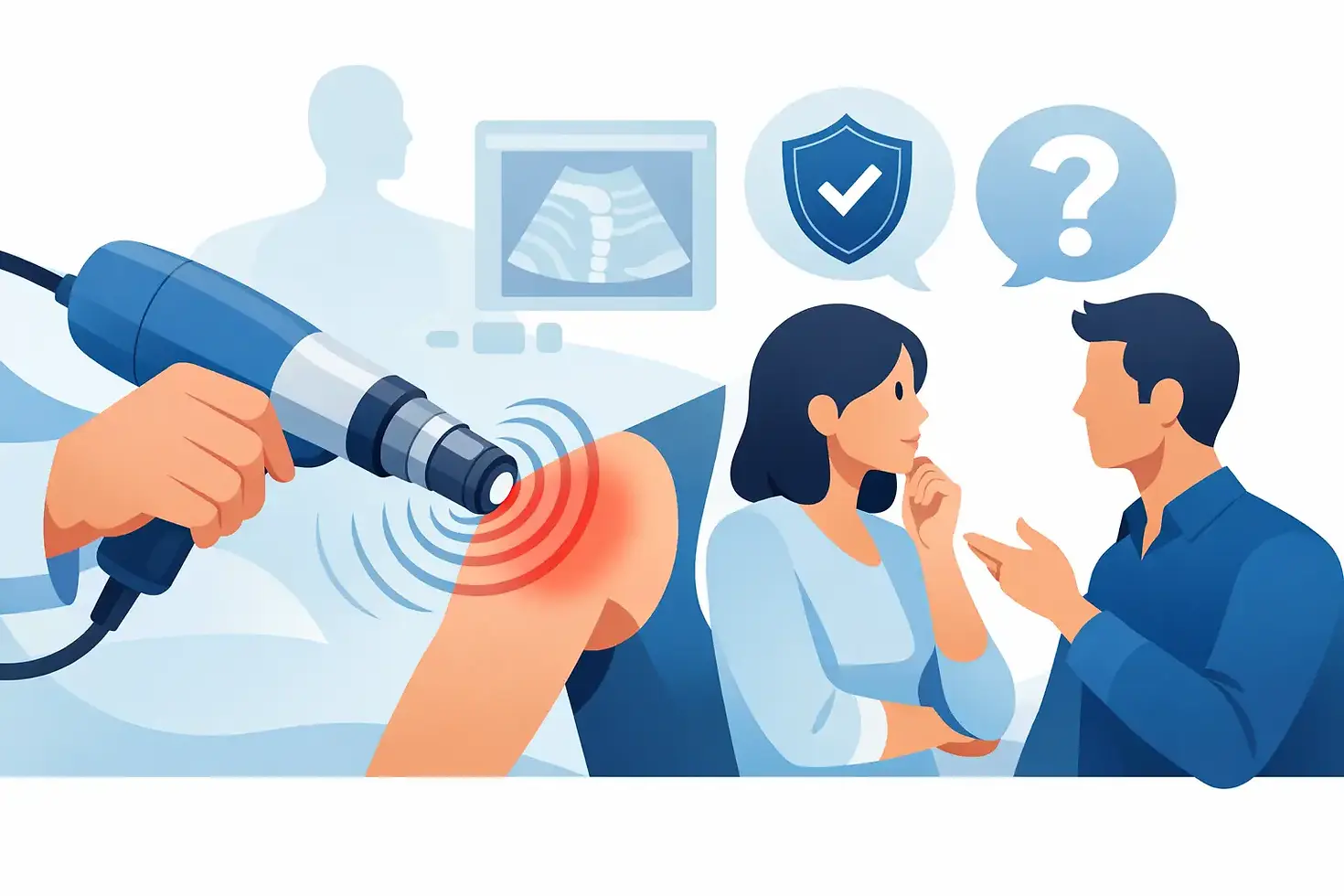
Shockwave therapy uses acoustic pressure waves directed into an area of injured or painful soft tissue. Despite the name, there is no electrical shock involved. The treatment is designed to stimulate the body's healing response, improve local circulation, and help address persistent tissue irritation that can contribute to pain and limited movement.
For appropriately selected adults, shockwave therapy is generally considered safe. It is commonly used for conditions involving tendons, fascia, and myofascial tissue, including plantar fasciitis, tennis elbow, Achilles tendinopathy, shoulder tendinopathy, shin pain, and certain chronic muscle tightness patterns. Many active adults choose it because it does not involve surgery, injections, or a long period away from normal life.
Safety depends on more than the treatment itself. The provider should review your health history, examine the treatment area, and adjust the intensity to your comfort level and condition. A pressure setting that makes sense for a long-standing Achilles issue may not be appropriate for a sensitive shoulder or a first session with someone who has been guarding an area for months.
What Treatment Usually Feels Like
Shockwave therapy is often described as intense but manageable. You may feel rhythmic tapping, pulsing, or a firm pressure over the targeted tissue. Areas that are already tender can feel more sensitive during treatment, especially early in a care plan.
Your provider can modify the intensity, the treatment angle, and the amount of time spent in a particular area. You should be able to communicate throughout the session. More intensity is not automatically better. The goal is to apply enough energy to support the treatment plan without making your experience unnecessarily uncomfortable.
Afterward, mild soreness, redness, or temporary sensitivity is common. Some clients compare it to the feeling after a deep workout or focused bodywork. These effects usually settle within a day or two. A small number of people may experience light bruising, swelling, or temporary numbness or tingling in the area.
It is also possible for symptoms to feel briefly more noticeable before they improve. That does not necessarily mean the therapy has caused harm, but it is a reason to follow your provider's activity guidance and report anything that feels unusual, severe, or persistent.
When Shockwave Therapy May Not Be Appropriate
A good provider will screen for circumstances in which shockwave therapy should be avoided, postponed, or cleared by a physician. Treatment should not be applied over an active infection, open wound, known tumor, or an area with significantly impaired sensation. It is also generally avoided directly over the lungs, brain, spine, major nerves, and growth plates.
Pregnancy is another reason to postpone treatment in the abdominal, pelvic, or low-back region. People with bleeding disorders or those taking certain blood-thinning medications may have a greater risk of bruising and need medical guidance before treatment. The same careful conversation is needed for anyone with a history of cancer, serious circulation concerns, recent surgery, a fracture, or an acute inflammatory injury.
If you have a pacemaker or other implanted medical device, tell your provider before your appointment. The appropriate precautions can vary depending on the device, the treatment area, and the type of shockwave equipment being used.
This is why an honest intake matters. Share your diagnoses, medications, prior surgeries, recent injections, and changes in symptoms. If pain began after a fall, is paired with major swelling, causes weakness, wakes you at night, or comes with unexplained fever or weight loss, seek medical evaluation rather than trying to push through it with a recovery treatment.
The Difference Between Safe and Well-Matched Care
The question is not only whether shockwave therapy is safe in general. It is whether it is the right tool for your specific pain. Chronic plantar fasciitis that has not responded to conservative care may be a strong candidate. A fresh tendon tear, unaddressed stress fracture, or pain caused by a nerve issue requires a different path.
A personalized plan also considers your lifestyle. A golfer preparing for a Napa Valley weekend, a hospitality professional on their feet through long shifts, and a runner training for an event may all have similar calf or heel discomfort for very different reasons. Their treatment plans, movement modifications, and recovery timelines should reflect those differences.
Shockwave therapy often works best as part of a broader mobility and recovery approach. Assisted stretching can help address surrounding muscle tightness and range-of-motion limits. Thoughtful movement work can gradually rebuild tolerance in the affected area. Temporary adjustments to training volume, footwear, work posture, or repetitive tasks may reduce the strain that keeps bringing symptoms back.
What to Do Before and After a Session
Before your appointment, arrive ready to discuss your symptoms clearly. Think about when the discomfort started, which movements trigger it, what you have already tried, and whether the pain is improving, staying the same, or getting worse. Wear clothing that allows easy access to the treatment area.
After treatment, most people can return to normal daily activity. Depending on the area treated and the intensity of the session, your provider may recommend avoiding high-impact exercise, heavy loading, or aggressive stretching for a short period. This is particularly relevant for irritated tendons. A recovery day does not mean doing nothing. It may mean walking, gentle mobility, hydration, and giving the tissue time to respond before testing it under full load.
Avoid using pain relief to mask symptoms so you can immediately return to a demanding workout. Instead, pay attention to how the area feels later that day and the next morning. Your feedback helps shape the next session and keeps the plan centered on sustainable progress, not a quick temporary win.
Questions Worth Asking Your Provider
You should feel comfortable asking why shockwave therapy is being recommended, what area will be treated, and what results are realistic for your condition. Ask how many sessions may be appropriate, what side effects to watch for, and what activities you should modify between visits.
It is equally valuable to ask what would make the provider refer you out. A professionally confident answer recognizes that shockwave therapy is useful for many chronic soft-tissue concerns, but it cannot diagnose every source of pain or substitute for medical care when red flags are present.
At WellStride Mobility, care begins with your goals: less pain on your first steps in the morning, more comfort through a full work shift, a freer golf swing, or the confidence to return to training. Shockwave therapy may be part of that path when it fits your body and your needs.
The safest next step is not simply booking the strongest treatment available. It is choosing an informed conversation, a careful assessment, and a recovery plan that helps you move through life with more confidence.


Comments